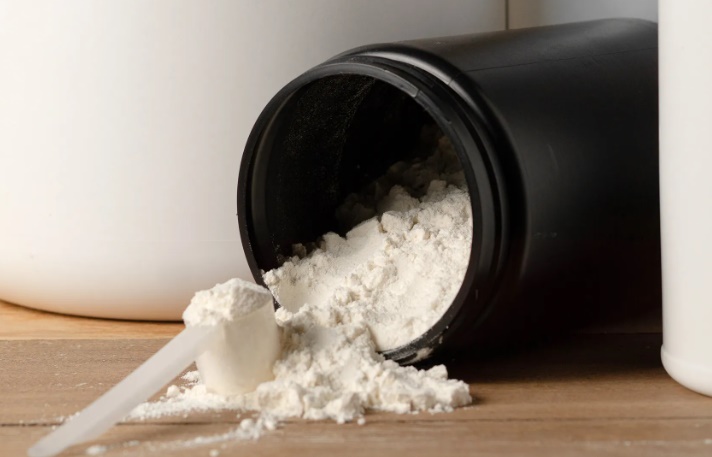
Creatine is a compound that comes from three amino acids: Glycine, Arginine and Methionine. Creatine can be found mostly in your body’s muscles, as well as in your brain. You can get creatine from red meat, seafood and poultry. The body’s liver, pancreas and kidneys make about 1 gram of creatine per day.
The body stores creatine as phosphocreatine primarily in the muscles, where it’s used for energy. The most common form of supplemental creatine is creatine monohydrate. This form is taken orally to improve athletic performance and increase muscle mass. Recent studies show creatine can treat certain brain disorders like dementia, neuromuscular conditions, and congestive heart failure.
What the research shows:
Strength, muscle size and performance: Creatine might allow an athlete to do more rigorous work, reps, or sprints which can lead to greater gains in strength, muscle mass and performance. Creatine may allow a a rapid recovery during training and competition.
Injury prevention: Creatine can reduce the frequency of dehydration, muscle cramping and injuries to the muscles, bones, tendons and nerves.
Cognition and brain health: Creatine has shown to improve performance during cognitive tasks, especially in older adults. Creatine can relieve depression and anxiety, mental fatigue and can even raise IQ. Creatine reduces damage from Alzheimer’s plaques. Creatine protects neurons, improves brain energy and reduces protein accumulation in the brain. Creatine is one of the most important nutrients for your brain.
Sarcopenia and bone health: Creatine supplementation can counteract age related mental declines in skeletal muscle and bone mineral density.
Types of Creatine Supplements:
You can get creatine in different chemical forms or types:
Creatine monohydrate. This is the most common type you’ll find in supplements. It’s also been studied more than other types.
Creatine ethyl ester. Experts thought this form might absorb into the body better than creatine monohydrate to make supplements work better. But studies suggest that it doesn’t work as well as creatine monohydrate.
Creatine hydrochloride. This form dissolves in water better than creatine monohydrate. But there is no evidence that it works better to build muscle as a result.
Creatine magnesium chelate. One small study suggested this form could improve sprinting ability in well-trained soccer players. But this form hasn’t been studied as much.
Buffered creatine monohydrate. One study looked at if a buffered form of creatine monohydrate would get into muscle better to improve exercise capacity more. But the results didn’t support that it worked any better or had fewer side effects.
The bottom line is that most studies have looked at creatine monohydrate. There’s not much evidence that other forms work better.
Recommended dosing:
For athletic performance and muscle building, take 5 grams of creatine monohydrate before and after your work out. >20 g or more may lead to stomach upset.
Trusted brands I would recommend:
Bulk Supplements:
Myprotein:
 Bernau Bodies, LLC
Leave a comment